在第二个探究单元“我们如何表达自己”中,三、四年级Bear班的学生们探索了人们运用创造力向世界传递思想、情感与故事的多元方式。基于“创造性表达可通过视觉、口头及书面形式展现”的核心理念,学生们开展了丰富而富有意义的探究活动,在反思、拓展与享受自我创造力的过程中收获成长。
During their second Unit of Inquiry, How We Express Ourselves, the Bears (Grades 3 and 4) explored the many ways people use creativity to share ideas, feelings, and stories with the world. Guided by the central idea that creative expression is exhibited in visual, oral, and written forms, students engaged in a rich and meaningful inquiry that allowed them to reflect on, extend, and enjoy their own creativity.
理解创造性表达
Understanding Creative Expression
The unit began with an inquiry into the question: What is creative expression? Students explored different forms of expression and classified them into broad categories such as performing arts, visual arts, written arts, music, media arts, and other creative forms. Through discussion and examples, the Bears quickly realized that many art forms connect multiple categories and cannot be placed into just one box. This helped students understand the key concept of Form and how creative works can take many shapes.
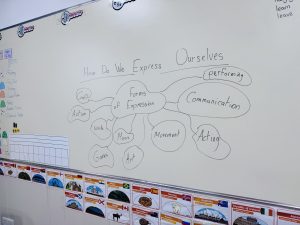
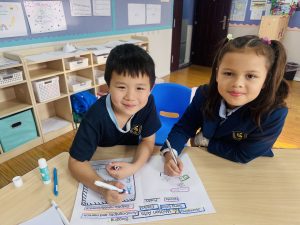
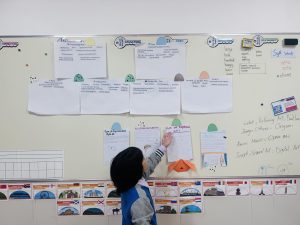
Students also reflected on how they personally express themselves. Each child selected a form of art they felt connected to—such as digital art, opera, origami, or beatboxing—and explained why it was meaningful to them. This activity supported student voice and choice while strengthening their communication skills.
跨越文化与时间的艺术
Art Across Cultures and Time
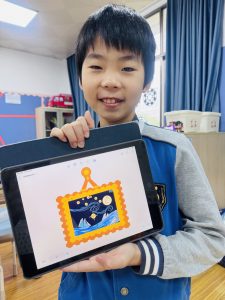
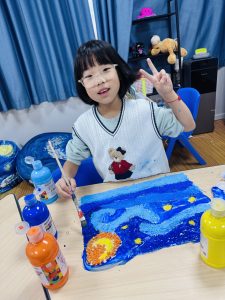
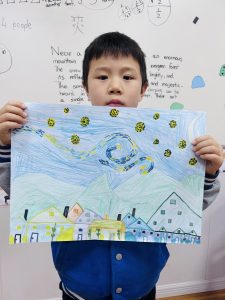
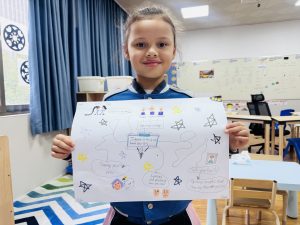
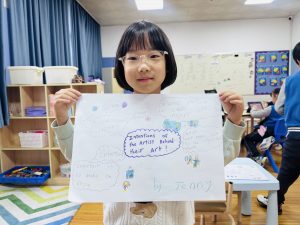
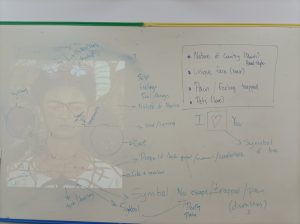
为探究创意表达在时间长河中的变迁与恒常,学生们研究了不同文化背景与历史时期的著名艺术家,包括列奥纳多·达·芬奇、文森特·梵高、巴勃罗·毕加索和弗里达·卡罗。通过观察与分析艺术作品,学生们探讨了艺术家如何运用色彩、形态与构图来表达情感与思想。
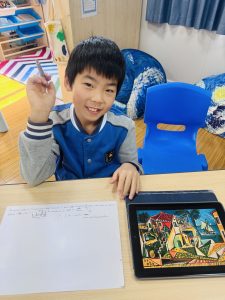
To explore how creative expression changes and stays the same over time, students researched famous artists from different cultures and historical periods, including Leonardo da Vinci, Vincent van Gogh, Pablo Picasso, and Frida Kahlo. By observing and analyzing artworks, students discussed how artists use color, form, and composition to express emotions and ideas.
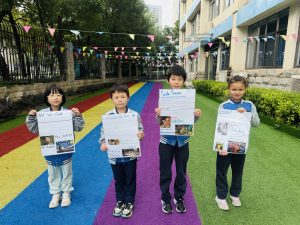
This inquiry connected strongly to the key concepts of Perspective and Connection, as students recognized that art is subjective and influenced by an artist’s experiences, culture, and historical context. Through research and reflection, students developed an understanding of continuity and change through time, aligning with social studies learning standards.
创作与表演圣诞剧
Creating and Performing the Christmas Play
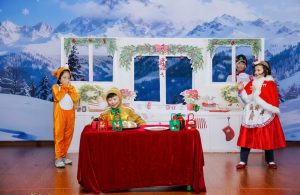
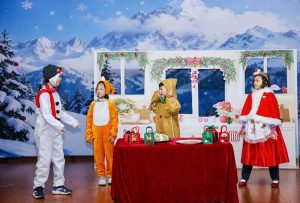
A major part of the unit was the Christmas Play Project, where students applied their understanding of creative expression through a collaborative performance. The Bears took ownership of the entire creative process:
- 选择角色并构思情节
- 编写和改编台词
- 创作角色描述和海报
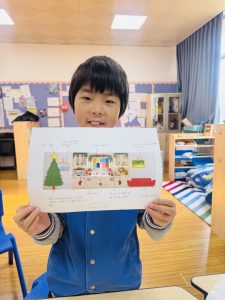
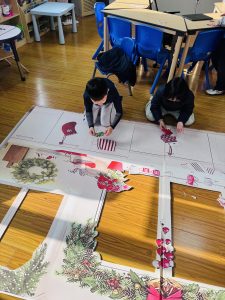
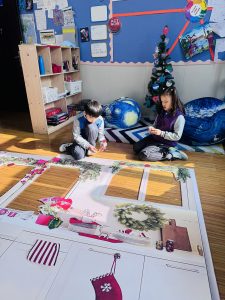
- 为场景、道具和装饰设计视觉板
- 改编歌词以契合主题
- 设计服装并添加个性化细节
- Choosing characters and shaping the plot
- Writing and adapting lines
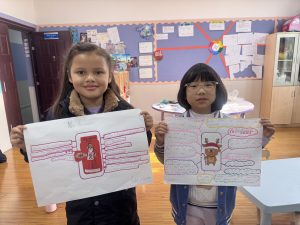
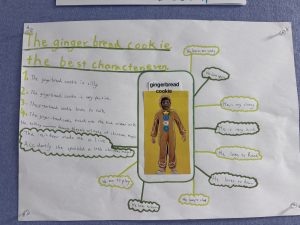
- Creating character descriptions and posters
- Designing vision boards for settings, props, and décor
- Modifying song lyrics to match the theme
- Designing costumes and adding personal details
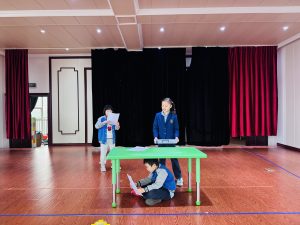
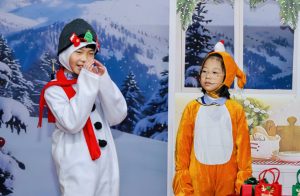
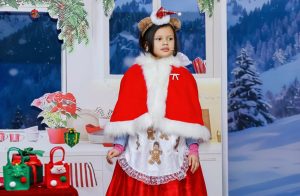
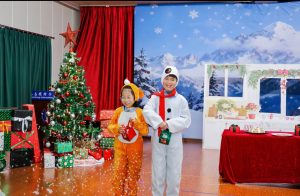
Each student brought unique ideas to the production. For example, Jenny added glitter to her costume to show magic, Joseph included snowflake details, Kevin personalized scene props, and Violet created clay gingerbread dough that transformed into a character in the play. These choices highlighted students’ creativity and willingness to take risks, reflecting the Learner Profile attributes of Risk-taker, Communicator, and Inquirer.
反思、反馈与成长
Reflection, Feedback, and Growth
Throughout the rehearsal process, students reflected on their work, identified strengths and areas for improvement, and practised giving and receiving constructive feedback. They rehearsed in front of live audiences, watched other grade performances, and used these experiences to refine their own play. This supported the development of ATL skills, particularly thinking, communication, and collaboration.
Students also extended their learning through ICT by digitally designing their characters and backdrops, and through library sessions that introduced books related to art and self-expression. A field trip to the circus further enriched the unit, allowing students to observe creative expression through performance and movement and reflect on their personal interests.
通过创造力采取行动
Taking Action Through Creativity
As a form of action, the Bears were involved in every aspect of their winter show. From planning and designing to problem-solving and performing, students demonstrated that creativity is not just about the final product, but about the process of thinking, creating, reflecting, and improving.



庆祝学习成果
Celebrating Learning
该单元以学生原创剧目的最终演出收官,演出面向家长及更广泛的校园群体。这场收官之作不仅展现了学生的表演才能,更彰显了他们在创造性思维与沟通能力方面的成长。学生们能够阐述整个单元中重点打磨的环节,包括团队协作、角色塑造以及通过排练不断精进的创作过程。
The unit concluded with a final performance of the students’ original play in front of parents and a wider school community. This culminating experience showcased not only the students’ performance skills, but also their growth as creative thinkers and communicators. Students were able to explain the key elements they worked on throughout the unit, including collaboration, character development, and refinement through rehearsal.
Overall, the Bears’ journey through How We Express Ourselves highlighted the importance of creativity, reflection, and connection. The unit celebrated student voice, imagination, and the understanding that creative expression can take many forms—each one meaningful in its own way.
Well done, Bears, on a fantastic exploration of creativity!