这一周的校园生活,又在孩子们的专注与欢笑中悄然度过。我们看见数字在游戏中跳脱出课本,情绪在共读的故事里被温柔辨认;笔下的汉字仿佛有了生命,而绿茵场上的每一次奔跑都写满了合作与活力。平凡的日子,因学习方式的多彩而闪闪发光。
This week of campus life slipped by quietly amid the children’s focused concentration and joyful laughter. We watched numbers leap from textbooks into games, emotions gently recognized in shared stories; Chinese characters seemed to come alive beneath their pens, while every sprint across the green field spilled with teamwork and vitality. Ordinary days shimmered brightly, illuminated by the vibrant diversity of learning approaches.
Pre-Nursery(Bunny Class) Math
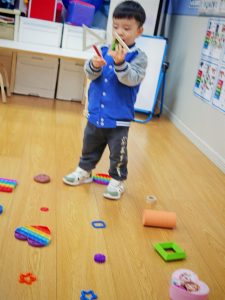
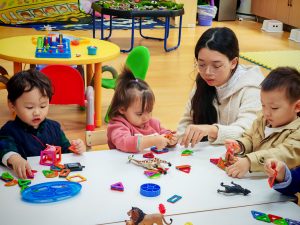
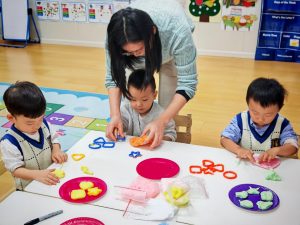
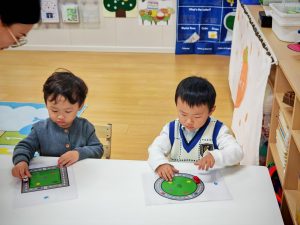
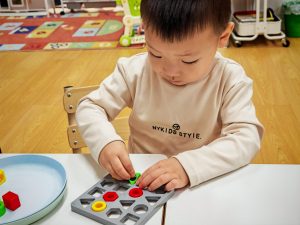
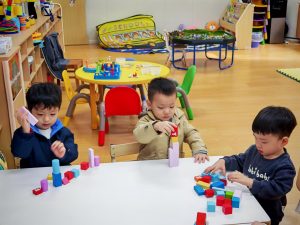
学前班的孩子们开启了一场关于形状的IB探索之旅。他们手持各式形状的放大镜,兴奋地在教室里搜寻圆形、三角形、正方形,甚至心形和星形,仔细观察并辨识日常物品的几何特征。在“形状寻宝”游戏中,孩子们通过分类将不同形状的积木放入对应托盘,亲身体验了形状的特性。他们不仅用黏土塑造出各种形状,还用造型积木拼出小动物的图案,并为它们搭建小房子。
the children in the pre-nursery class embarked on an IB exploration journey about shapes. Equipped with magnifying glasses of various shapes, they excitedly searched around the classroom for circles, triangles, squares, and even hearts and stars, carefully observing and identifying the geometric features of everyday objects. During the “Shape Scavenger Hunt” game, the children experienced the properties of shapes firsthand by sorting and placing different shaped blocks into corresponding trays. Additionally, they not only used clay to create different shapes but also used shaped blocks to assemble pictures of small animals and build homes for them.
这项创意活动巧妙地将形状探索与正在进行的“动物”单元相衔接,体现了IB课程的跨学科学习理念。这场充满互动与发现的旅程不仅深化了孩子们对几何概念的理解,更培养了他们的观察力与同理心——生动诠释了IB课程培养全面发展学习者的目标。
This creative activity skillfully connected the shape exploration with the ongoing “Animals” unit, reflecting IB’s interdisciplinary learning approach. This interactive and discovery-filled journey not only deepened the children’s understanding of geometric concepts but also cultivated their powers of observation and empathy—a vivid embodiment of the IB curriculum’s goal to develop well-rounded learners.
Nursery(Butterfly Class) Butterfly Artists Explore a Winter Wonderland(Art)
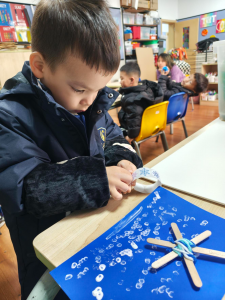
我们的Butterfly班以沉浸式的冬季主题动手艺术探究迎接了新的一年!根据瑞吉欧·艾梅丽亚(Reggio Emilia)的环境是“第三位老师”的原则,我们从观察和用英语命名冬季的特殊颜色开始——闪闪发光的白色、冰冷的蓝色和舒适的灰色。
Our Butterfly class welcomed the new year by diving into a winter-themed, hands-on art inquiry! Aligned with the Reggio Emilia principle of the environment as “the third teacher,” we began by observing and naming winter’s special colors in English—sparkling whites, icy blues, and cozy greys.
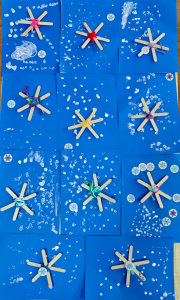
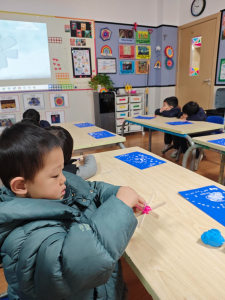
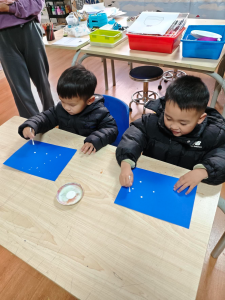
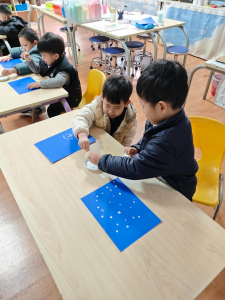
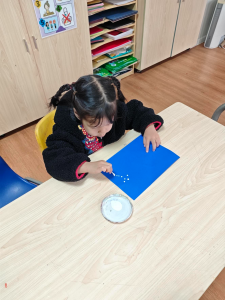
随后,学生们利用棉签练习精细动作技能,以描绘飘落的雪花;并将他们独特的纸制雪花用五颜六色的毛线“围巾”包裹起来——这是一项充满乐趣的自我管理与选择练习。受布里吉塔·奥斯卡尔尼泰特(Brigitta Auškalnytė)2021年短片《雪花》(Snowflake)的启发,他们还在自己的作品上增添了一个“雪花朋友”,以此激发创造力和批判性思维。
Students then practiced fine motor skills using Q-tips to paint falling snow, and wrapped their unique paper snowflakes in colorful yarn “scarves”—a joyful exercise in self-management and choice. Inspired by Brigitta Auškalnytė’s short film Snowflake (2021), they added a “snowflake friend” to their artwork, encouraging creative and critical thinking.
通过这个既有趣又有目的的过程,我们的年轻艺术家们自然地与IB学习方法接触,将沟通、社交和思考技能融入每一笔和共享时刻。这是创造、合作和与冬季季节联系的美好方式!
Through this playful yet purposeful process, our young artists naturally engaged with the IB Approaches to Learning, blending communication, social, and thinking skills into every brushstroke and shared moment. What a beautiful way to create, collaborate, and connect with the winter season!
Pre-K(Panda Class) UOI
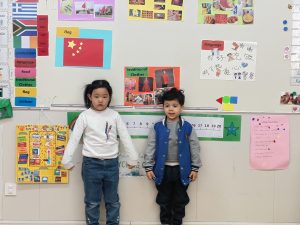
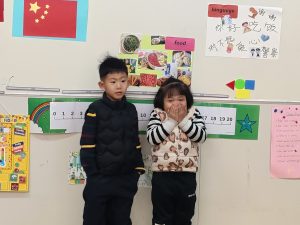
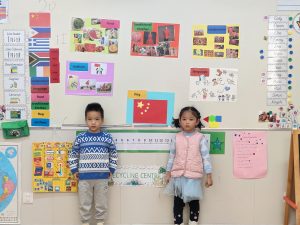
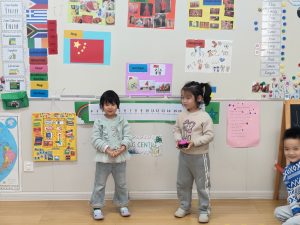
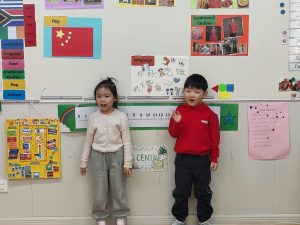
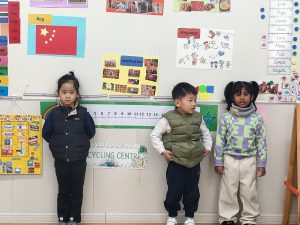
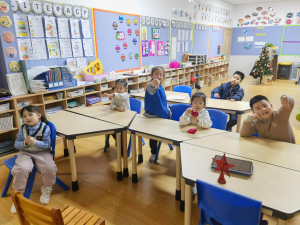
在“自我表达”探究单元中,学生们聚焦中国文化,探索世界各地的节日庆典与传统习俗。本周,孩子们以小组形式协作制作海报和演讲稿,逐步深化对主题的理解。
As part of our Unit of Inquiry “How We Express Ourselves”, students focused on China as part of our exploration of celebrations and traditions around the world. Throughout the week, children worked collaboratively in small groups to prepare posters and presentations, building their understanding step by step.
学生们深入探索了中国文化的核心要素,包括国旗、国歌、语言、美食、传统服饰及节日庆典。他们了解到中国国旗的特殊色彩与星辰蕴含的深意,国歌是值得人们肃立聆听的庄严乐章。通过歌曲演唱、角色扮演、图片展示和小组讨论,孩子们还练习了日常情境中的基础中文表达,如问候他人和表达善意。
Students explored important elements of Chinese culture, including the national flag, anthem, language, food, traditional clothing, and celebrations. They learned that the Chinese flag has special colors and stars with meaning, and that the national anthem is a special song that people listen to respectfully. Through songs, role play, pictures, and discussions, children also practiced simple Chinese words used in everyday situations, such as greeting others and showing kindness.
此外,学生们品尝了中国特色美食,探讨家庭日常饮食习惯,了解节日传统服饰的关联性,并学习了春节等重要庆典的习俗。
In addition, students explored foods from China and discussed what families eat at home, made connections to traditional clothing worn during celebrations, and learned about important celebrations such as Chinese New Year.
课程周以小组展示收官,学生们自信地向来宾展示海报作品。此次实践不仅提升了他们的沟通能力、团队协作精神和自我管理能力,更激发了学习自豪感,培养了对多元文化的尊重。
The week concluded with a group presentation, where students confidently shared their posters with guests. This experience helped develop their communication skills, teamwork, and self-management, while encouraging pride in their learning and respect for different cultures.
Kindergarten(Koala Class) Chinese
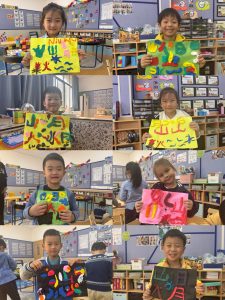
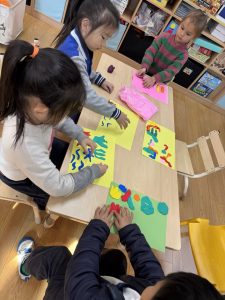
Koala班的孩子们踏上了追溯文字起源的旅程。他们亲手用彩色黏土捏出鲜活的象形文字,将抽象符号化作鲜活形态。
The children of the Koala class embarked on a journey back to the origins of written language. Using their own hands, they molded vivid pictographic characters from colorful clay, transforming abstract symbols into living forms.
当手指轻触泥土,文字的灵魂便开始苏醒。“日”字浑圆饱满,透出温暖的光芒;“山”字层叠的棱脊稳稳耸立;“水”字流畅的曲线仿佛泛起涟漪。每个字符不仅在泥土中成形,更在孩子们想象与理解的天地里生根发芽。
As their fingers moved, meaning emerged. The round fullness of “日” (sun) glowed with warmth, the layered ridges of “山” (mountain) rose steadily, and the flowing curves of “水” (water) seemed to ripple with motion. Each character took shape not just in clay, but in the children’s imagination and understanding.
通过这种动手操作的立体创作,孩子们发现了汉字体系背后的古老智慧——字形如何源于自然形态。这项活动不仅是创意练习,更深化了他们对汉字结构、美感与逻辑的领悟,让学习真正实现了指尖上的触动。
Through this hands-on, three-dimensional creation, the children discovered the ancient wisdom behind the Chinese writing system—how characters were formed from shapes found in nature. More than a creative exercise, the activity deepened their appreciation of the structure, beauty, and logic of Chinese characters, allowing learning to happen quite literally at their fingertips.
First Grade(Tiger Class) UOI
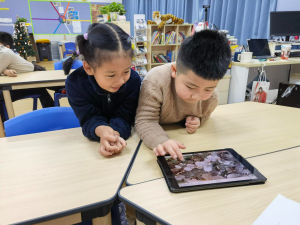
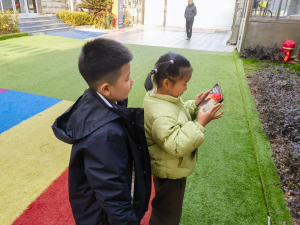
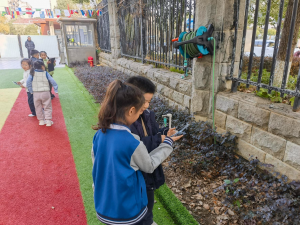
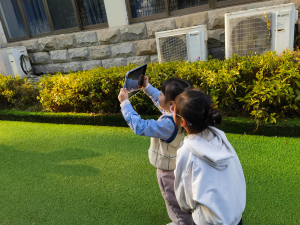
假期归来,我们开启了与“美”紧密相连的新单元学习之旅。课堂伊始,我们以“发现身边的美”作为引入,瞬间点燃了同学们对美的探索热情。大家积极踊跃地参与讨论。从抽象的概念出发,同学们的视野逐渐聚焦,先是仔细观察我们日常学习所在的教室,努力去挖掘教室里那些容易被忽略的美的细节;随后,视野进一步拓展,延伸到教室外的大自然之中,去感受自然之美那无与伦比的魅力。
Back from vacation, we launched a new unit woven around “beauty.” The hook—“Discover beauty right beside you”—lit an instant spark. Eager voices debated “What is beauty?” first scouring our classroom for hidden details, then roaming outdoors to let nature’s grandeur speak.
为了更直观地呈现大家发现的美,学生们被分成了几个小组,每组有着明确的任务限制——只能拍摄最多三张照片。这个过程既考验同学们的观察力,也锻炼着他们从众多美的元素中筛选出最具代表性的能力。当大家带着精心拍摄的照片回到教室后,气氛变得更加热烈。每个小组的同学都认真地向大家分享自己觉得这些照片美的原因,从光影的运用、色彩的搭配,到所拍摄对象本身的独特之处,各种理由纷至沓来。在分享之后,我们又围绕一个核心问题展开了深入的思考与讨论——美究竟是由谁来决定的?是大众的审美标准,还是每个人内心独特的感受呢?这一问题引发了同学们激烈的争论,也让我们这节UOI课充满了思想的碰撞与对美的深层次探索。
To show what they’d found, teams were armed with a three-photo limit. Shooting, sorting, and returning, they argued light, color, line—why each frame felt beautiful. That led to the burning question: who decides beauty—crowd consensus or private gaze? Ideas clashed, questions multiplied, and the room pulsed with fresh theories about where beauty truly lives.
Second Grade(Lion Class) Explores Creative End-of-Unit Projects(Literacy)
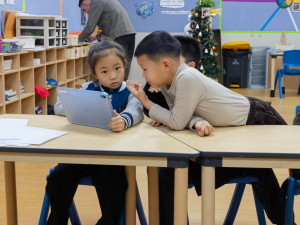
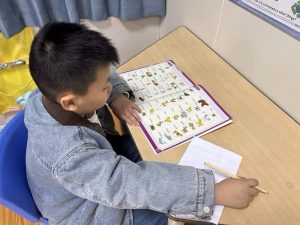
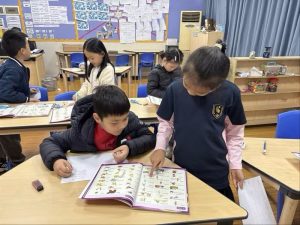
在狮子班,学生从剑桥教科书中选择他们的单元项目。他们有三个有趣的选择:创建一个班级调查,设计一张学校地图,或写一本关于职业的书。
In Lion class, students selected their end-of-unit projects from the Cambridge textbook. They were given three engaging options: creating a class survey, designing a school map, or writing a book about occupations.
选择调查项目的学生更进一步,将他们的结果整理成条形图,清晰地展示了他们收集的数据。其他学生选择了图书项目,并撰写了关于不同职业的原创句子,使用剑桥教科书后面的词典来支持他们的词汇和拼写。
Students who chose the survey project went a step further by organizing their results into bar graphs, clearly displaying the data they collected. Others selected the book project and wrote original sentences about different occupations, using the dictionary at the back of the Cambridge textbook to support their vocabulary and spelling.
Third and Fourth Grade(Bear Class) UOI
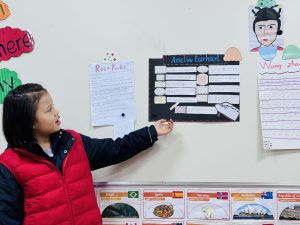
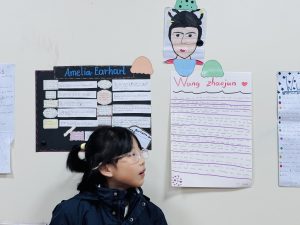
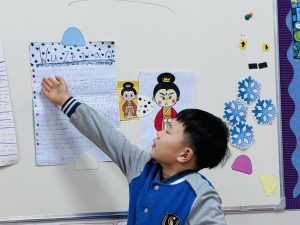
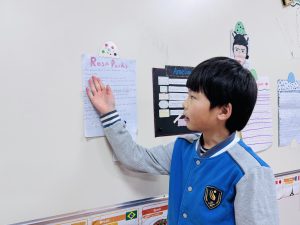
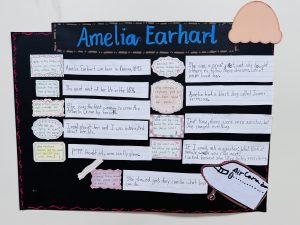
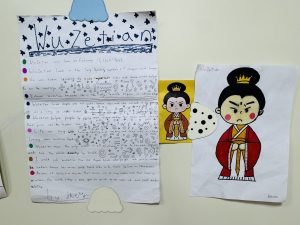
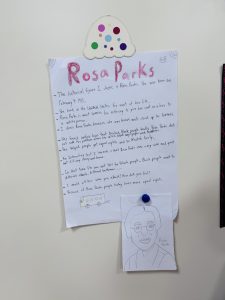
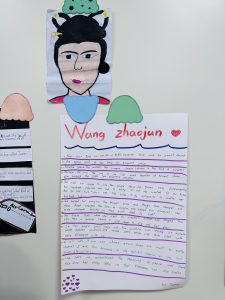
Bear班的学生们独立开展研究,探索历史上那些对世界产生深远影响的杰出女性。他们的研究对象包括罗莎·帕克斯、王昭君、武则天和阿梅莉亚·埃尔哈特,通过引导性问题来深化研究方向。
The Bears class worked independently to research influential women in history who made a lasting impact on the world. Their studies included Rosa Parks, Wang Zhaojun, Wu Zetian, and Amelia Earhart, with guiding questions helping to shape and deepen their research.
学生们向全班展示研究成果,引发关于这些女性生平及其贡献意义的深度探讨。全班共同决定深入探究罗莎·帕克斯的事迹。通过短视频和访谈片段,学生们深入了解她的生平与历史遗产,分享见解,并反思罗莎·帕克斯为何成为激励人心的典范,以及她的故事给予他们的启示。
Students presented their findings to the class, sparking thoughtful discussions about who these women were and why their contributions mattered. As a group, the class chose to explore Rosa Parks in greater depth. Through short videos and interview clips, students learned more about her life and legacy, shared their ideas, and reflected on why Rosa Parks remains an inspirational figure and what her story taught them.
Fourth Grade(Eagle Class) Math
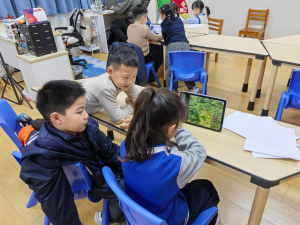
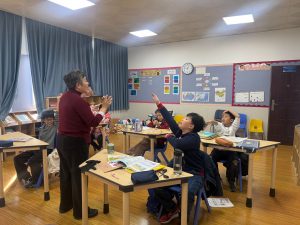
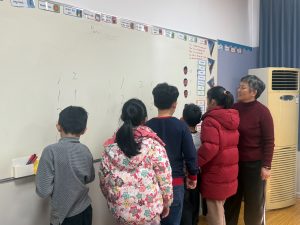
这节数学课围绕一项策略游戏展开,游戏中学生们轮流加1或2直至达到10。作为对模式与关系的探究,该活动直接培养了学生的批判性思维和解决问题能力(学习方法)。学生们以思考者和探究者的身份,通过协作提出假设、测试策略,并发现潜在的数学原理。
This mathematics lesson centered on a strategic game where eagles took turns adding 1 or 2 to reach 10. As an inquiry into patterns and relationships, it directly developed critical thinking and problem-solving skills (Approaches to Learning). Students, as thinkers and inquirers, collaboratively formulated hypotheses, tested strategies, and discovered underlying mathematical principles.
该游戏作为具体化的启发工具,将抽象的数感转化为引人入胜的探究活动。这不仅促进了序列与逻辑的概念理解,更在学生阐释推理过程时培养了沟通能力。
The game served as a tangible provocation, transforming abstract number sense into an engaging investigation. This fostered not only conceptual understanding of sequencing and logic but also the communicator attribute as students justified their reasoning.
Sixth Grade(Dragon Class) Exploring the World of Cells(UOI)
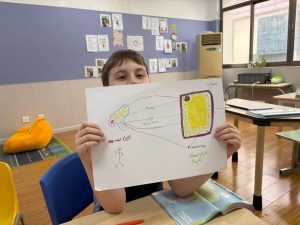
Dragon班的学生最近通过一个有趣、循序渐进的学习旅程探索了植物和动物细胞。他首先观看了一段教育视频,并绘制了一个细胞图,以了解基本细胞部分。然后,他学习了植物和动物细胞之间的关键区别,并改进了他的绘图,以展示细胞壁和叶绿体等独特结构。
Dragon student recently explored plant and animal cells through a fun, step-by-step learning journey. He began by watching an educational video and drawing a cell diagram to understand basic cell parts. He then learned the key differences between plant and animal cells, improving his drawings to show unique structures such as the cell wall and chloroplasts.
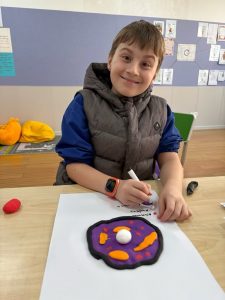
学习以一次动手的黏土模型活动结束,他建造了细胞结构,并以有形的方式探索了相似性和差异。他保持专注,很好地管理自己的情绪,在整个过程中表现出强烈的动机和出色的理解力。
The learning concluded with a hands-on clay model activity, where he built cell structures and explored similarities and differences in a tangible way. He stayed focused, managed his emotions well, and demonstrated strong motivation and excellent understanding throughout the process.
本周的时光里,我们见证思考如何生根,创意如何发芽——每一个看似微小的瞬间,都汇聚成成长的动人乐章。感谢每一位用心陪伴孩子探索的你。新的一周,让我们继续与好奇为伴,与灵感同行。
This week, we watched ideas take root and creativity blossom—every small moment weaving together into a beautiful story of growth. Thank you for walking alongside your children in discovery. Next week, let’s continue the journey with curiosity as our guide.