Exploring the World Through Inquiry:A Reflection on Our School Field Trip
一次户外学习的经历:我们如何通过亲身体验认识世界
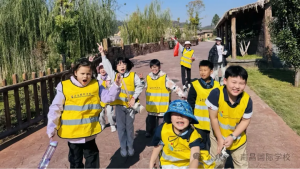
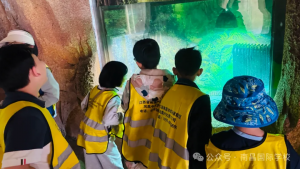
在我们学校,我们始终坚信:亲身体验和主动探索,才是最好的学习。前不久,同学们踏上了一段难忘的旅程——前往动物园和马戏团开展实地考察。这次外出不仅充满乐趣,更让他们把课堂所学与真实世界联结起来。各个年级的探究单元(UOI)内容也与这次行程完美呼应,在生动的情境中,孩子们深化了理解,收获了仅靠实践才能赋予的鲜活认知。
At our school, we believe that learning is best experienced through direct engagement and exploration. This year, our students embarked on a memorable field trip to the zoo and the circus, where they had the chance to connect their classroom learning with real-world experiences. Across all grade levels, the trip aligned beautifully with the units of inquiry (UOI) the students have been exploring, enriching their understanding in ways that only hands-on learning can provide.
PART.01
低龄学段:与动物建立联结,探知情感世界
Early Years: Building Connections with Animals and Emotions
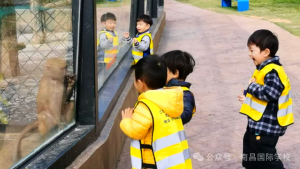
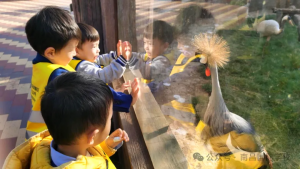
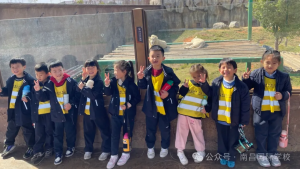
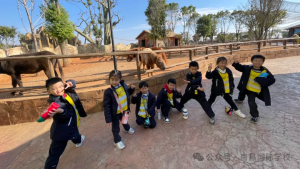
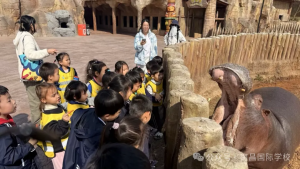
Our youngest learners in the Early Years program started the journey with a trip to the zoo. The focus of their unit was understanding how humans and animals can develop meaningful relationships, and this field trip gave them the chance to explore that theme in person.
Bunny【Pre-Nursery】
The youngest children in our school have been inquiring into how humans and animals form connections. At the zoo, they learned about the different animals and their characteristics, discovering how each species interacts with its environment. For these little ones, it was an exciting opportunity to develop an early understanding of the natural world and how we share it with animals.
Butterfly【Nursery】
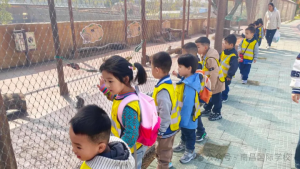
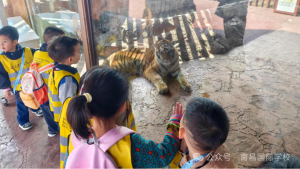
蝴蝶班的孩子们在参观中被鼓励表达他们对动物的感受与想法。观察动物时,有的孩子兴奋雀跃,也有的略带怯意。而在一个充满同理心的温馨时刻,老师引导他们思考:“你觉得动物此刻感觉如何?”大多数孩子不约而同地给出一个真挚的回答:“难过。”这简单却深刻的回应,正展现出他们与动物之间悄然萌生的情感联结,也见证了他们感知其他生命的能力正在静静生长。
Students in the Butterfly class were invited to express their emotions and thoughts about the animals they encountered. As they observed the animals, some felt excitement while others were a bit scared. In a beautiful display of empathy, the children were also asked to consider how they thought the animals felt. Most responded with a heartfelt answer: “Sad.” This simple yet profound reflection showcased the children’s growing ability to connect emotionally with the creatures they encountered.

Panda【Pre-Kindergarten】
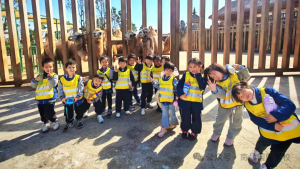
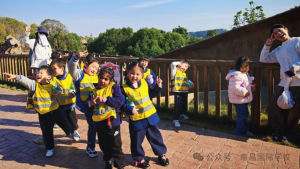
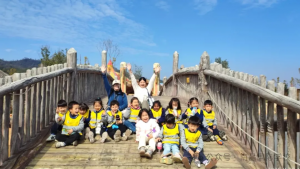
熊猫中班的孩子们以“世界如何运作”为主题,开启了对栖息地与动物的探索。动物园成为他们的鲜活课堂,在这里,动物对环境的适应方式直观地展现在眼前,让孩子们深刻认识到维持自然平衡的重要。这趟旅程如同一堂生动的启蒙课,不仅让孩子们反思万物之间的深刻联系,更在他们心中播下了探索生态系统奥秘的种子。
For our Panda Pre-Kindergarten students, the theme of “How the World Works” provided the perfect framework for exploring habitats and animals. At the zoo, they saw firsthand how animals adapt to their environments and the importance of understanding the delicate balance of nature. The trip allowed students to reflect on the interconnectedness of living things, fostering curiosity about ecosystems and the roles animals play in sustaining them.
Koala【Kindergarten】
In Koala Kindergarten, the focus was on “How We Express Ourselves” and the role of creativity. This exploration of self-expression was enhanced by the trip to the zoo, where students engaged in creative reflection and expression as they observed animals in their natural habitats. The experience helped students develop their own artistic interpretations of the animals, fostering their creativity and allowing them to express their thoughts through art and discussion.
PART.02
小学阶段:将学习与文化、艺术和组织概念联系起来
Primary Years: Connecting Learning to Cultural, Artistic, and Organizational Concepts
As the students moved into the primary years, the field trip took on even deeper layers of meaning. The zoo and circus experiences provided rich opportunities for exploring cultural values, artistic expression, and teamwork.
Tiger【Grade 1】
对一年级学生而言,马戏团是理解“人类如何组织自己”的绝佳课堂。在这里,他们直观地看到,一场精彩演出背后,是表演者、工作人员与导演之间环环相扣的精密协作。这次经历将抽象的组织概念化为真实体验,让他们深刻体会到,每个角色都如同一个不可或缺的齿轮,共同推动着团队目标的实现。
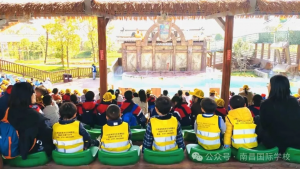
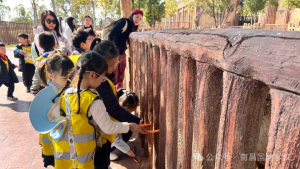
The circus, a true display of human organization and collaboration, served as an ideal setting for Grade 1 students to understand how groups can work together toward a shared purpose. In their unit on “How We Organize Ourselves,” students saw firsthand how performers, stagehands, and directors must coordinate seamlessly to create a successful show. This experience gave them a real-world understanding of organizational structures and the importance of each member’s role within a team.
Lion【Grade 2】
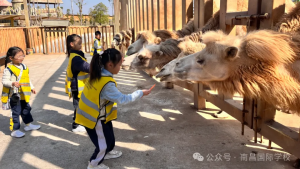
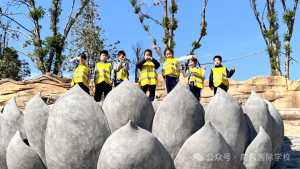
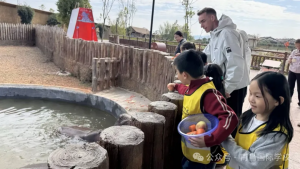
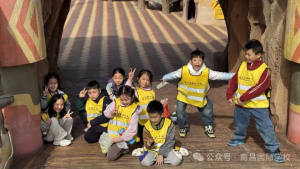
For Grade 2 students, the zoo trip was an opportunity to explore how culture shapes the way we view animals and their symbolism. Through this lens, students connected the concept of cultural values (Form) to animal conservation efforts (Responsibility). As they observed different species, students reflected on how human activities and cultural traditions influence the roles animals play in stories and heritage practices. This experience helped them see how abstract concepts like cultural identity and environmental responsibility can be deeply connected to the living world around us.

Bear【Grade 3-4】
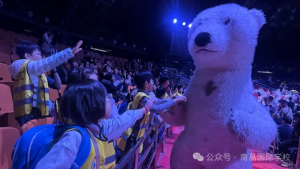
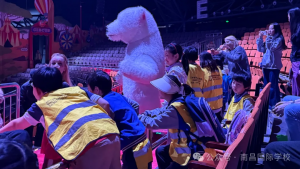
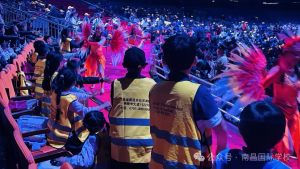
在三、四年级探索“自我表达”的单元中,学生们将马戏团视为一个充满魅力的艺术实验室。他们仔细观察表演者如何运用肢体、音乐与服装来传递情感与故事。这种身体表达与创造性叙事的完美结合,让“艺术自我表达”这一概念不再是抽象术语,而是跃然眼前的生动现实。这次经历如同一颗种子,深深植根于学生心中,激励他们在今后的学习中勇敢尝试,找到属于自己的表达方式。
In their unit on self-expression, students in Grades 3 and 4 visited the circus to observe the performances and reflect on how artists express themselves through movement, music, and costume. This field trip allowed the students to witness various forms of artistic expression in action, which they later reflected upon in class. The combination of physical expression and creative storytelling in the circus made the concept of artistic self-expression come alive for the students, encouraging them to explore how they, too, can express themselves creatively.
Eagle【Grade 4】
For the Grade 4 Eagles, the circus provided an opportunity to explore the human body as an art form. The students closely analyzed the movements of the acrobats, considering the lines, rhythm, and flow of their performance. The costumes, full of vibrant colors and intricate designs, further enhanced the students’ understanding of how art and performance can be used to communicate powerful ideas. This experience allowed them to connect the form of the human body with the broader concepts of artistic expression and movement.

PART.03
小学高年级:探索生物过程与人类影响
Upper Primary: Exploring Biological Processes and Human Impact
进入小学高年级,学生们有机会将他们在生物学、生命过程和环境影响方面的知识应用到在动物园和马戏团的观察中。
As we moved into the upper primary grades, the students had the chance to apply their knowledge of biology, life processes, and environmental impact to their observations at the zoo and circus.
Dragon【Grade 6】
围绕“生命过程”单元,六年级学生在动物园获得了独特的学习体验。他们通过近距离观察动物,见证了维持生命的关键特征在不同物种身上的具体体现。这种直接的接触,使他们能够将抽象的理论概念与鲜活的实例相联结,从而对生物学及所有生命共有的生存过程,建立了更为深刻的理解。
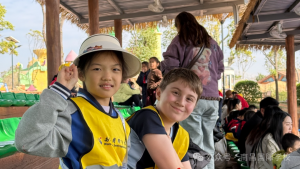
In their unit on life processes (Movement, Respiration, Sensitivity, Nutrition, Excretion, Growth, and Reproduction), Grade 6 students had the unique opportunity to observe how these processes play out in the animal kingdom. By closely observing the animals at the zoo, students could see how different species demonstrate the key characteristics of life, such as movement, respiration, and excretion. This hands-on experience allowed them to connect theoretical concepts with real-world examples, deepening their understanding of biology and the life processes that sustain all living organisms.

结语:一次全面的学习体验
Conclusion: A Holistic Learning Experience
Our school field trip to the zoo and the circus was a remarkable way to bring our units of inquiry to life. From the youngest learners discovering how animals and humans can connect, to older students exploring the complex themes of organization, cultural values, and artistic expression, the field trip was a rich and meaningful experience for all. By stepping outside the classroom and engaging with the world in a hands-on way, our students were able to apply their learning to real-world contexts, deepening their understanding and fostering a greater appreciation for the interconnectedness of life.
This field trip served as a testament to the power of inquiry-based learning—an approach that encourages students to actively explore and connect ideas, ask questions, and reflect on their experiences. As our students continue their journey of inquiry, we look forward to the many more learning opportunities that will allow them to explore the world around them and develop the skills, knowledge, and attitudes necessary for lifelong learning.